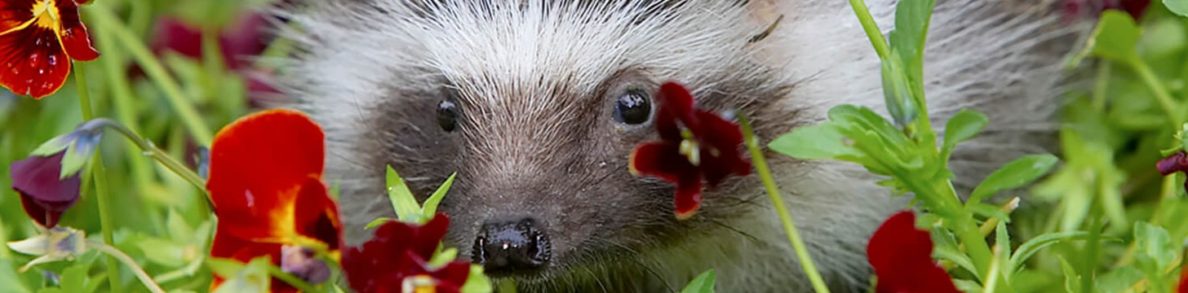
Raising a hedgehog successfully begins with understanding its natural diet, biological needs, and the nutritional requirements that keep it healthy in captivity. In the wild, hedgehogs are primarily insectivores, feeding on beetles, caterpillars, earthworms, slugs, and other small invertebrates. Their digestive systems evolved to extract nutrients from high-protein, high-chitin foods—meaning insects form the foundation of a proper hedgehog diet. In addition to insects, wild hedgehogs occasionally consume small amounts of fruits, berries, plant matter, and even small vertebrates when the opportunity arises. This combination provides necessary vitamins, minerals, and fiber, but the bulk of their nourishment still comes from protein-rich prey.
Domesticated Hedgehog Vs Wild Diet
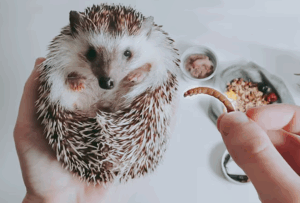
Domestic hedgehogs benefit from a diet that mimics these natural patterns as closely as possible. High-quality insect-based kibble or diet formulations designed for hedgehogs or insectivorous pets can serve as a nutritional base. Protein sources should ideally be lean and digestible, and fat levels should remain moderate to prevent weight gain, as hedgehogs can become obese quickly when fed excessively rich diets. Supplementing their food with live or dried insects such as mealworms, crickets, silkworms, or dubia roaches is highly recommended. These insects not only provide natural protein and chitin but also stimulate natural foraging behavior, improving enrichment and mental wellbeing. Small quantities of fruits and vegetables can be included, but they should remain occasional treats rather than dietary staples.
Housing & Habitat
 Housing and husbandry also play important roles in raising a healthy hedgehog. They require a warm, draft-free enclosure, typically maintained between 72–80°F, since temperatures that are too low may trigger hibernation attempts and stress. A spacious cage with a solid exercise wheel, hiding shelters, and safe bedding allows room to explore and stay active. Hedgehogs are nocturnal, so their routines should be respected, with minimal disturbance during daylight hours. Regular handling helps them bond and become more confident, but patience is needed as some hedgehogs take time to socialize.
Beneficial Supplements
 Supplements can further support a hedgehog’s health, especially when their diet may not perfectly replicate natural intake. Calcium and vitamin D3 supplements are commonly used, particularly if the hedgehog consumes primarily insects, which can sometimes be low in key minerals. Omega-3 fatty acid supplements can improve skin hydration and shine, as hedgehogs are prone to dry, flaky skin. Another supplement gaining interest is peach gum collagen, a natural resin from peach trees rich in plant-based collagen and polysaccharides. While not traditionally used in hedgehog nutrition, peach gum collagen may support skin elasticity, hydration, and coat health thanks to its natural gel-forming properties and amino acid profile. If used, it should only be offered in extremely small amounts and preferably mixed into other food, as hedgehogs are sensitive to excessive sugars and plant gums. Owners should monitor their pet’s digestion and consult a veterinarian before introducing any new supplement.
Raising a hedgehog requires replicating its natural diet, offering enrichment and proper habitat conditions, and using supplements thoughtfully. With a balanced approach, hedgehogs can thrive in captivity with strong immune systems, healthy skin and quills, and long, active lives.
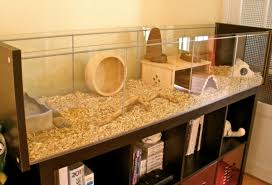 One of the greatest things about having pets is that you can customize their space, especially if they live in cages or aquariums. Most pets, especially the type that would be in this environment, do not care what is there once you get past their basic needs. Food, water, and maybe a few toys. Therefore, you can add things that you feel are pretty or decorative. If you have fish, you may choose bright plants, the treasure chests, and fancy rocks. If you have a hedgehog, you can also do things such as create custom colored epoxy creations for hedgehog cages.
 By nature, hedgehogs enjoy expressing their curiosity. Therefore, when planning a cage, you need to provide food, shelter, water, and a few toys. Toys may include wheels and anything made of cardboard. These animals love to chew and arrange their space to be their home.
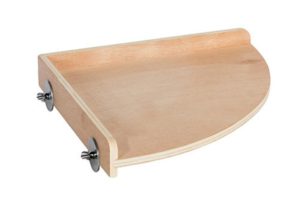
 You are allowed to have fun with your pet’s cage. We promise he or she will not mind. There are no rules against adding a few fake rocks, logs, bushes and other fun things to your pet cage. As a matter of fact, we can come up with a variety of fun things to include, such as wooden platforms and wooden bridges.
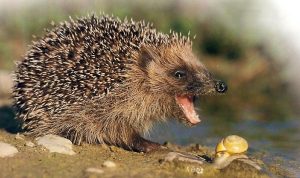 Hedgehogs are very cute creatures that are wonderful as pets for some people. However, when raising hedgehogs, you have to keep in mind, that by nature, they are wild. They are domesticated because we have them as pets, but they are also wild animals that long to be back in the wild. This is proven in some of the natural things they do. This is also why it might be fun to consider camping with hedgehogs.
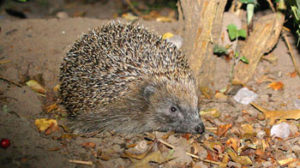 In the wild, hedgehogs are native to specific regions. They can be found in Africa, the Middle East, Europe, and even central Asia. At one time, it is believed that they may have also been found in the Americas, but it was long ago.
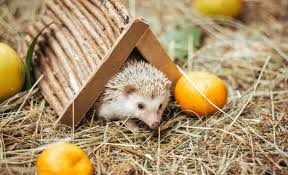 Most hedgehogs show their “wild” side in the way that they behave. They may spend a lot of time rolled in a ball or bite things when they are spooked. They may spend a lot of time creating a den for themselves in their cage or eating the bedding that you provide to them. When startled or unsure of a situation, they can huff and puff. If they like the smell of something, they may self-anoint. Most will choose to sleep all day and stay awake to drive you nuts all night long. These are all-natural behaviors that they would do when in the wild.
 Hedgehogs are wonderful little creatures to have. However, this does not mean that there are not challenges of owning and loving them. If you have dreams of seeing one in the wild, you may face a unique challenge. The best place to see Hedgehogs in the wild may be more of a trip than you are expecting.
 They thrive in warmer clients, but this does not mean they cannot handle a little coolness. However, in the cooler areas of the world, they may hibernate during the winter since they do not enjoy cold temperatures.
 Typically, hedgehogs do not naturally live in Australia, South America, or North America, but they are in those areas. They have been introduced to these continents both in captivity and in the wild. So far, they are able to thrive in any area, although they do prefer to live in dryer areas where it is easy for them to get out and hunt insects for food. This also allows them to eat plants with a particular fondness for watermelons, berries, mushrooms, and more.
 Hedgehogs are one of the cutest animals around. They resemble little fluff balls with a pointed nose and beady eyes. However, then you touch them and everything changes. You discover that they more closely resemble a bristly hairbrush or a cactus, depending on their mood at that moment. The truth is, there are many things you need to know about if you are considering a pet hedgehog.
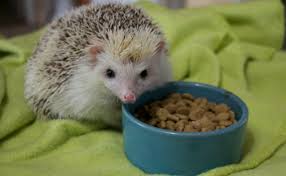 Hedgehogs are wild animals. They generally come out at night and have a diet that includes a lot of different things. To successfully own one, you must keep all this in mind.
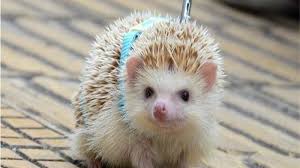 Not every hedgehog is created equally in personality traits. Some love to climb all over their humans and others are more stand-offish. Some are feisty while others are calm. They may try to steal shoelaces and other treasures.